Hole in the Heart in Children: Symptoms, Risks & Treatment Options
Overview
Hole in the Heart in Children
Q1. What is today’s discussion about?
Today’s discussion focuses on a common concern among parents — when they are told that their child has a “hole in the heart.” We talk about how serious it can be, what symptoms to look for, and why timely consultation with a doctor is important.
Q2. Why do parents get scared when they hear that their child has a hole in the heart?
Many parents panic because they do not clearly understand what a hole in the heart means, how dangerous it is, or whether it can be treated. Often, the symptoms are also not obvious, which adds to the confusion and fear.
Q3. Is a hole in the heart very dangerous?
Not always. If a hole in the heart is diagnosed, parents should not panic. A cardiologist first evaluates the location, size of the hole, and the pressure it is causing in the heart. Based on this, the doctor decides the best course of treatment.
Q4. Can a hole in the heart close on its own?
Yes. In many cases, if the hole is small or already in the process of closing, it may close naturally over time. Such cases are monitored regularly through echocardiography (echo) and symptoms are closely observed.
Q5. What symptoms may indicate a hole in the heart in children?
Some common signs include:- Repeated episodes of pneumonia
- Frequent colds and coughs
- Recurrent hospitalizations due to lung infection
If these symptoms occur, doctors may recommend an echo to check for a heart defect.
Q6. Can a hole in the heart go undiagnosed for many years?
Yes. Some children do not get proper medical facilities early, so the condition may remain undetected. In some cases, patients come to doctors at 10 years of age or even in adulthood, when the condition is finally diagnosed.
Q7. What are the treatment options for a hole in the heart?
There are three main approaches:- Observation and follow-up: If the hole is small and closing naturally
- Device closure: If the hole is in a suitable position, it can be closed without surgery using a device
- Surgery: If device closure is not possible, surgical treatment is required
Q8. Is device closure safe and advanced today?
Yes. Medical technology has advanced significantly, and device closure is now a safe and effective method for closing suitable heart defects without open surgery.
Q9. What happens if treatment is delayed for too long?
If treatment is delayed, a dangerous condition called Eisenmenger syndrome may develop. In this condition, the blood flow in the heart reverses due to long-standing pressure changes, making surgery or device closure impossible.
Q10. Can delayed treatment lead to death?
Yes. In severe and advanced cases like Eisenmenger syndrome, the risk of heart failure increases and the mortality rate can be very high. Only medical management is possible in such cases.
Q11. Why is early diagnosis and treatment important?
Early treatment prevents permanent damage to the heart and lungs. If the hole is treated at the right time, the heart can function normally and maintain proper pressure levels.
Q12. What message should parents take from this discussion?
If a child is diagnosed with a hole in the heart, timely consultation and treatment are extremely important. Ignoring or delaying treatment can lead to serious complications and may even be life-threatening.
--------------------------------------------
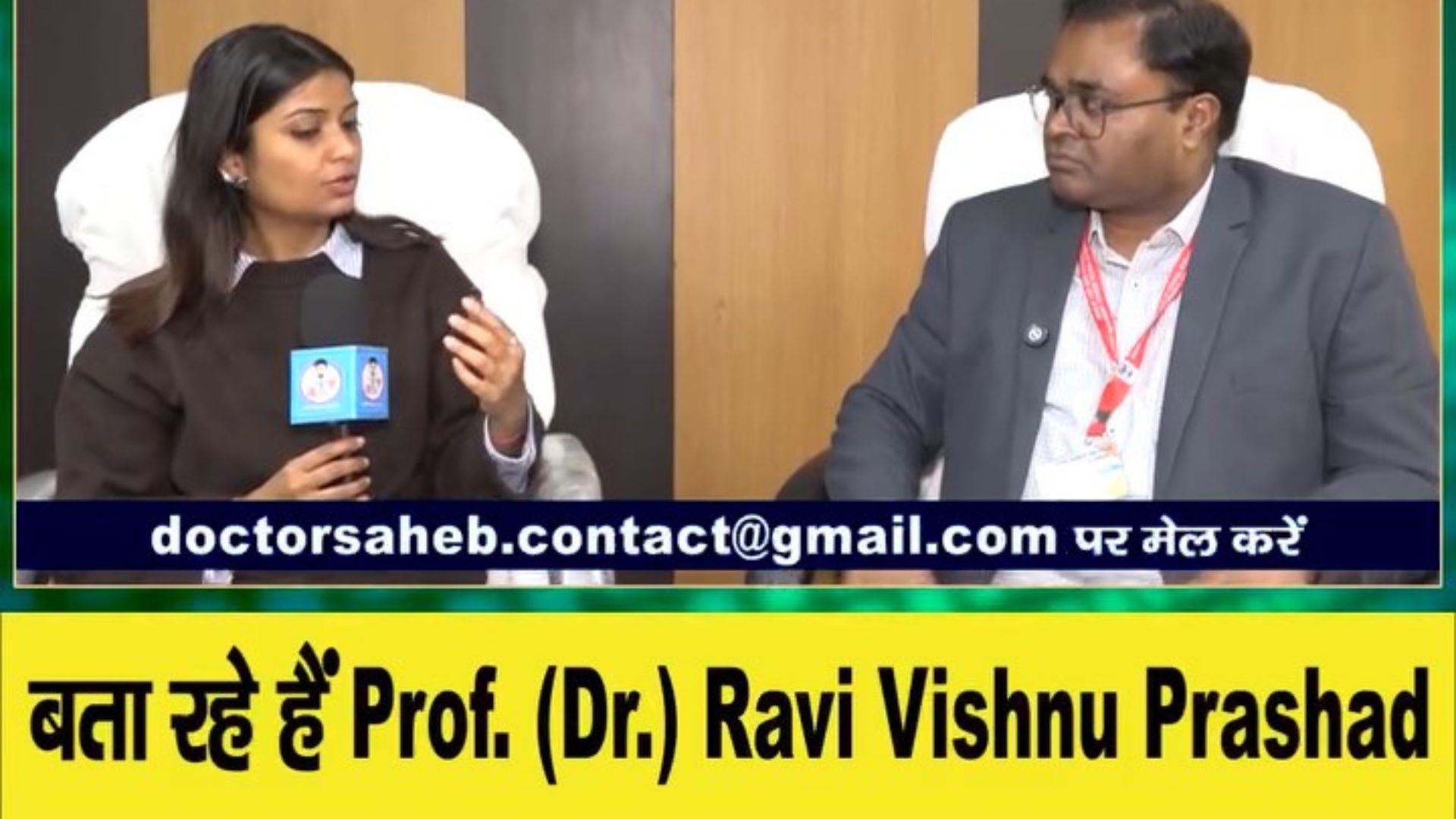
About the Expert: Dr. Ravi Vishnu Prasad
Dr. Ravi Vishnu Prasad is a senior and highly respected Cardiologist with decades of experience in diagnosing and treating heart diseases, including congenital heart defects in children. He is a Professor and Head of the Department of Cardiology and has served at IGIMS (Indira Gandhi Institute of Medical Sciences), Bihar, one of the leading medical institutions in the state.
Dr. Prasad has extensive expertise in:
- Pediatric and adult cardiology
- Congenital heart diseases (such as hole in the heart)
- Non-surgical device closure procedures
- Advanced cardiac diagnostics like echocardiography
He is known for his patient-centric approach and for spreading medical awareness so that parents can understand heart conditions early and seek timely treatment. His guidance has helped countless families make informed decisions about their children’s heart health.
Medical insights in this article are based on expert explanations provided by Dr. Ravi Vishnu Prasad.